First Aid at Work in Ireland: The Legal Requirements
Every Irish employer has a legal duty to make sure first aid is available the moment someone is injured or falls ill at work. Here is what the law actually asks of you — and how to meet it without guesswork.
First aid is not an optional extra in an Irish workplace. It is a clear legal obligation, and the responsibility sits squarely with the employer. Whether you run a busy warehouse, a small office or a single shop, the question is the same: if someone is hurt right now, is help ready?
Where the duty comes from
The starting point is the Safety, Health and Welfare at Work Act 2005. It places a general duty on employers to protect the safety, health and welfare of their employees so far as is reasonably practicable. First aid provision is one of the practical ways that broad duty is met.
The detail is set out in the Safety, Health and Welfare at Work (General Application) Regulations 2007, Part 7, which deals specifically with first aid. The Health and Safety Authority (HSA) is the body that oversees and enforces these requirements.
First aid means the immediate care given to a person who is injured or suddenly taken ill, to preserve life, stop the condition worsening and promote recovery until professional help arrives.
What employers must actually do
Part 7 obliges you to provide and maintain first aid that suits the workplace. In plain terms, that means three things working together:
- Equipment and facilities — a suitably stocked and accessible first aid kit, kept where people can reach it quickly, with someone responsible for restocking it.
- Trained people — enough trained occupational first aiders, or at minimum an appointed person, depending on the level of risk.
- Information — employees must know who the first aiders are and where the equipment is kept. A simple notice does the job.
Occupational First Aider or appointed person?
In lower-risk settings, the law may allow an appointed person — someone who takes charge of first aid arrangements, calls emergency services and looks after the kit, but who is not necessarily a trained first aider. In higher-risk or larger workplaces, you will need one or more qualified Occupational First Aiders. The right answer depends on your own risk assessment, which leads neatly to the next point.
Risk assessment decides the detail
There is no single national figure that fits every business. Instead, the law expects you to assess your own circumstances and provide first aid that matches them. When you assess, weigh up:
- The nature of the work and the hazards present.
- The number of employees and how they are spread across the site.
- Shift patterns, lone working and any remote locations.
- How quickly the emergency services could reach you.
- Past incidents and near misses.
A quiet office and a manufacturing floor will reach very different conclusions — and that is exactly the point. For a fuller walk-through of the numbers, see our guide on how many occupational first aiders you need.
First Aid training from €35
Self-paced, HSA-aligned, certificate the same day — €35 per person.
Keeping the kit right
A first aid box should be clearly identified, well stocked and within easy reach. Contents should reflect the workplace — a kitchen may need burn provisions, a garage may need eye-wash. Check it regularly, replace what is used and watch expiry dates. An out-of-date or half-empty kit is no defence if something goes wrong.
Records and review
Keeping a simple record of incidents and the first aid given is good practice and helps you spot patterns. Review your arrangements whenever the workplace changes — new machinery, more staff, a new site, or a change in shift cover. First aid provision is not a one-off task; it moves with the business.
What good first aid arrangements look like in practice
It is one thing to satisfy the letter of the law and another to be genuinely prepared. The two are not the same, and the gap between them is exactly where things go wrong. A workplace that ticks the compliance box but never tests it can still find itself helpless when an incident actually happens.
Employers who get this right tend to share a few habits. They make first aid visible rather than hidden away — signage at the kit, names of first aiders on the noticeboard, and a quick line in the induction so new starters know who to find. They treat first aiders as a team rather than a single hero, so cover never collapses the day one person is on leave. And they talk about near misses openly, because the small incident today is often the warning sign for the serious one tomorrow.
A quick self-check for employers
- Could you name your first aiders right now, and are they on site today?
- When was the first aid kit last checked and restocked?
- Do night, weekend and remote workers have cover too?
- Have you reviewed your arrangements since the last big change in the business?
- Do new employees learn who to turn to during induction?
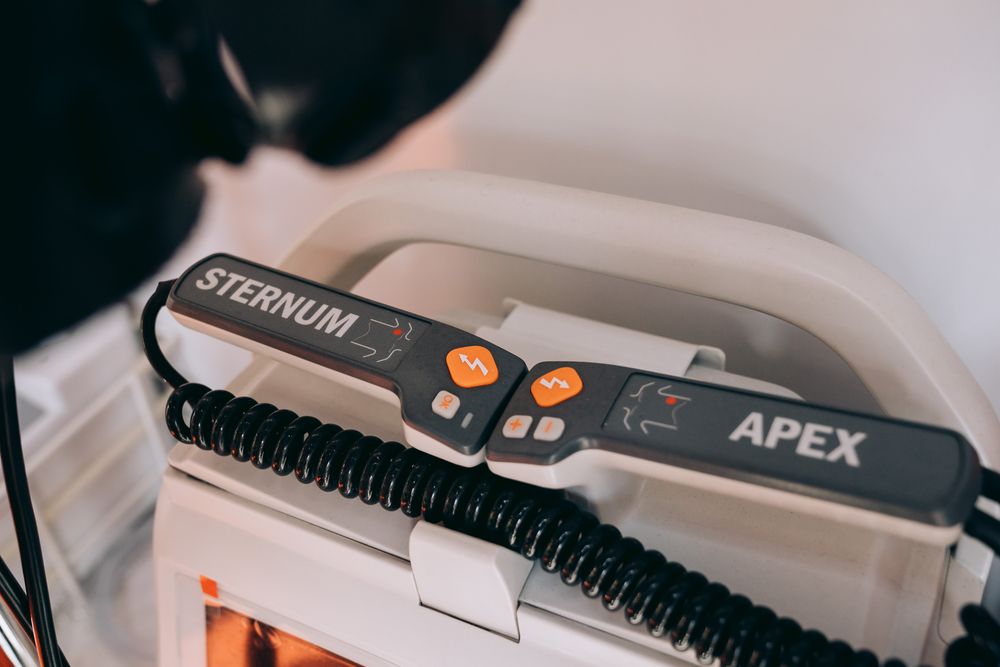
If any answer gives you pause, that is the place to start. It is also worth making sure your team understands the life-saving basics, such as CPR and AED use — skills that matter most in the minutes before an ambulance arrives.
Key takeaways
- First aid is a legal duty under the 2005 Act and Part 7 of the General Application Regulations 2007.
- The HSA enforces these requirements in Ireland.
- Provide equipment, trained people and clear information to all staff.
- A risk assessment — not a fixed number — decides how much you need.
- Maintain the kit, keep records and review when the workplace changes.
Meeting these duties does not have to be complicated. Start with a clear risk assessment, get the right number of people trained, keep your equipment in order, and tell your staff where to turn in an emergency. Do that, and you are not only compliant — you are genuinely ready.