How to Use a Fire Extinguisher: The PASS Method
A fire extinguisher is only useful if you can use it correctly under pressure. The PASS method gives you a simple, memorable way to act — and knowing when not to fight a fire is just as important.
Most people walk past fire extinguishers every day without a second thought — until the moment they need one. In that moment, a clear method matters far more than brute force. The PASS technique breaks the task into four simple steps anyone can remember.
Before you reach for the extinguisher
Tackling a fire is a decision, not a reflex. Only attempt it when all of the following are true:
- The alarm has been raised and people are evacuating.
- The fire is small and contained — roughly no bigger than a waste-paper bin.
- You have a clear, safe escape route behind you at all times.
- You have the right type of extinguisher for that fire.
- You feel confident and have been trained to use it.
If any of these is missing, do not fight the fire. Get out, close doors behind you, and let the fire service deal with it. No equipment is worth a life.
Always keep your back to your exit. If you cannot put the fire out quickly, leave immediately — your escape route is your lifeline.
The PASS method
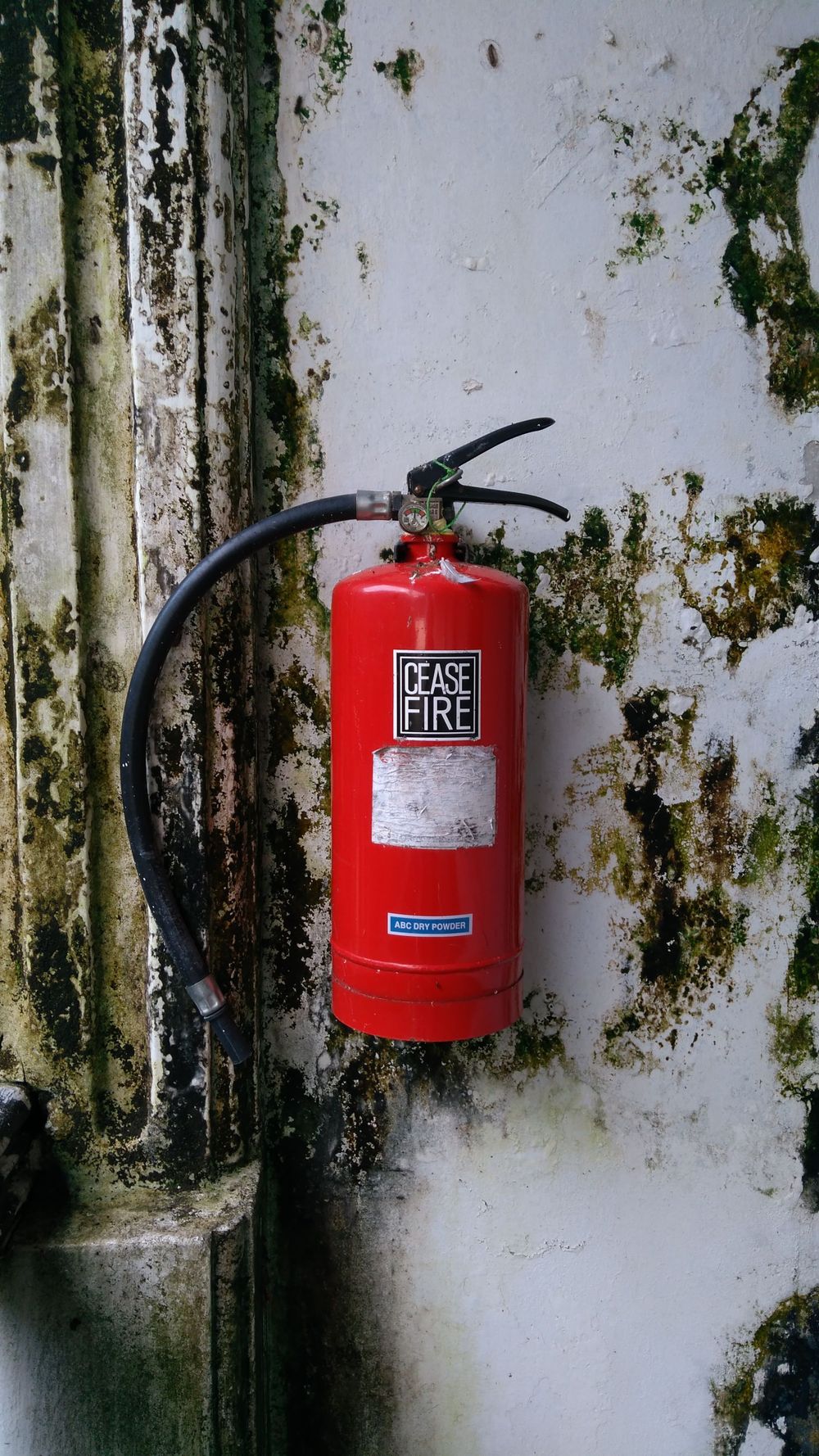
PASS stands for Pull, Aim, Squeeze, Sweep. Work through the four steps in order:
P — Pull
Pull the safety pin at the top of the extinguisher. This breaks the tamper seal and unlocks the handle so the extinguisher is ready to discharge.
A — Aim
Aim the nozzle, horn or hose at the base of the fire, not at the flames themselves. The fuel is at the base — that is what you need to smother or cool. Stand a safe distance back, usually a couple of metres.
S — Squeeze
Squeeze the handle slowly and evenly to release the extinguishing agent. Keep your grip steady so the discharge stays controlled.
S — Sweep
Sweep the nozzle from side to side across the base of the fire until it is out. Keep watching after the flames die down — fires can reignite, so be ready to repeat the sweep.
Fire Safety training from €35
Self-paced, HSA-aligned, certificate the same day — €35 per person.
Choosing the right extinguisher
Using the wrong type can make a fire worse — water on an electrical or cooking-oil fire is dangerous. Different fires need different agents, which is why extinguishers are colour-coded. Before you act, make sure the extinguisher matches the fire. We explain this in detail in our guide to the classes of fire and which extinguisher to use.
Practice beats theory
Reading about PASS is a good start, but real confidence comes from handling an extinguisher and understanding your workplace's specific equipment and risks. This is exactly what fire safety training delivers, and it is part of a wider fire safety plan — see our workplace fire safety guide for the bigger picture.
Where extinguishers should be — and how to keep them ready
Knowing the PASS method is only useful if there is a working extinguisher within reach when you need it. That is why placement and maintenance matter just as much as technique. Extinguishers should be sited on escape routes, near exits and close to specific risks, mounted where they are easy to see and grab, and clearly signed so nobody has to search.
They also need looking after. A quick visual check — pressure gauge in the green, pin and seal intact, no damage or corrosion — takes seconds and should be done regularly, alongside the formal servicing that keeps them reliable. An extinguisher that is blocked by stacked boxes, hidden behind a door, or quietly out of date is worse than useless, because people assume it will work.
An extinguisher you cannot find, cannot reach, or cannot trust is no protection at all.
Why training beats instinct
Under pressure, people do not rise to the occasion — they fall back on what they have practised. Someone who has only ever read about extinguishers may freeze, aim at the flames instead of the base, or try to fight a fire that is already too big. A short, practical course replaces guesswork with muscle memory, so that the decision to fight or flee, and the technique itself, come quickly and correctly when seconds count.
Key takeaways
- Only fight a small, contained fire with a clear escape route behind you.
- PASS = Pull the pin, Aim at the base, Squeeze the handle, Sweep side to side.
- Aim at the base of the fire, never at the flames.
- Use the correct type of extinguisher for the fire.
- If in doubt, get out — raise the alarm and call the fire service.
The PASS method turns a stressful moment into four clear actions. Combined with knowing when to fight a fire and when to walk away, it is one of the most practical fire safety skills any worker can have.