Fire Safety in the Workplace: An Irish Employer's Guide
A fire can take hold in minutes and put lives, livelihoods and a whole business at risk. Good fire safety is not luck — it is a set of straightforward, deliberate measures every Irish employer can put in place.
Fire safety touches every workplace, from a corner café to a large factory. The aim is simple: stop fires starting, detect them early if they do, and get everyone out safely. Achieving it takes a little planning and a steady commitment to keeping arrangements up to date.
Your legal starting point
Two strands of Irish law shape what you must do. The Safety, Health and Welfare at Work Act 2005requires employers to protect the safety and health of employees, which includes protection from fire. The Fire Services Acts 1981 and 2003 set duties around fire safety in buildings and give the local fire authorityits enforcement powers. Together they make fire safety a clear and ongoing employer responsibility.
Every person who has control of a premises has a duty to take reasonable measures to guard against the outbreak of fire and to protect people on the premises in the event of fire.
Start with a fire risk assessment
The foundation of workplace fire safety is a fire risk assessment. It is the process of identifying what could cause a fire, who could be harmed, and what controls are needed. A practical assessment looks at:
- Sources of ignition — electrical equipment, heaters, hot work, naked flames.
- Sources of fuel — paper, packaging, waste, flammable liquids and gases.
- Oxygen — ventilation and any oxygen supplies.
- People at risk — staff, visitors, contractors and anyone needing extra help to evacuate.
- Existing controls — and where they fall short.
Record your findings, act on them, and review the assessment whenever the premises, processes or staffing change.
Prevention: removing the spark and the fuel
The best fire is the one that never starts. Good housekeeping does much of the work:
- Keep waste and combustible materials to a minimum and store them safely.
- Maintain electrical equipment and avoid overloading sockets.
- Store flammable liquids and gases correctly, away from ignition sources.
- Control hot work and smoking areas.
- Keep ignition sources and fuel apart wherever possible.
Fire Safety training from €35
Self-paced, HSA-aligned, certificate the same day — €35 per person.
Detection and warning
If a fire does start, people need to know fast. Appropriate fire detection and an alarm that can be heard throughout the premises are essential. Test alarms regularly, keep detection equipment maintained, and make sure the system suits the size and layout of the building.
Means of escape
Everyone must be able to get out quickly and safely. That means:
- Clear, unobstructed escape routes and exits at all times.
- Doors that open easily in the direction of escape.
- Emergency lighting where needed.
- A clearly signed assembly point away from the building.
Plan, train and practise
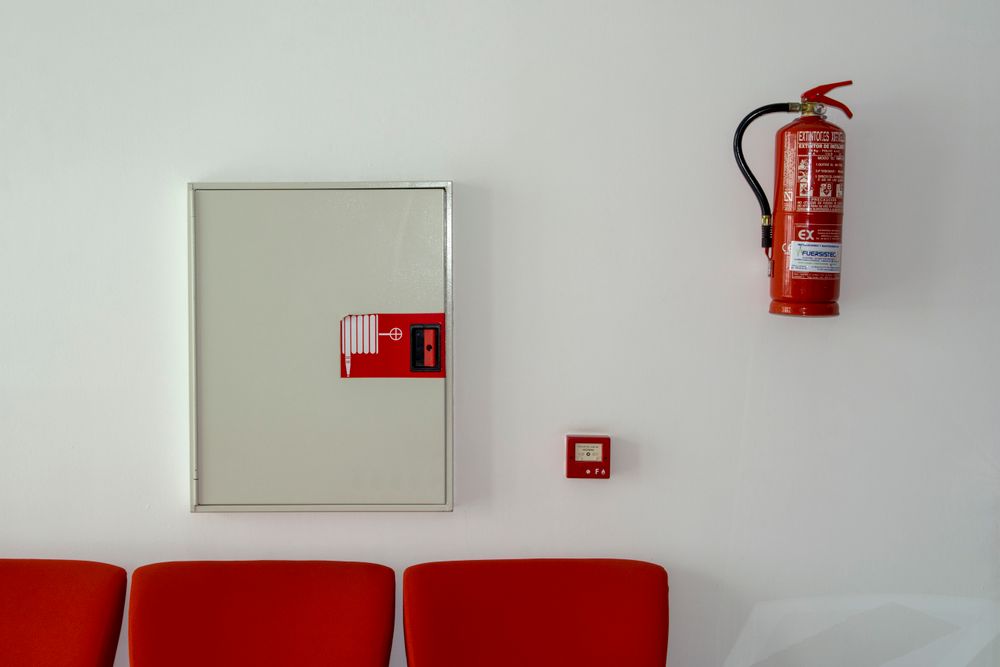
An emergency plan that nobody knows is worthless. Prepare a clear evacuation procedure, appoint and train fire wardens, and run regular fire drills so the response becomes second nature. Make sure staff know how to raise the alarm and, where appropriate, how to use a fire extinguisher safely. Our guides on the fire warden's role and how to use a fire extinguisher go deeper on both.
Building fire safety into everyday work
The workplaces that handle fire safety best are not the ones with the thickest folder of paperwork — they are the ones where good habits are simply part of the day. Compliance documents matter, but they only protect people if the behaviour behind them is real.
That means treating the last fire drill as something to learn from rather than a box to tick. It means a manager who notices a propped-open fire door and closes it without being asked. It means new staff being shown the escape routes and assembly point on their first morning, not weeks later. These small, consistent actions are what turn a written plan into genuine readiness.
A fire safety plan that lives only in a drawer protects no one. The value is in the habits it creates on the floor every day.
A simple monthly walk-round
One of the most effective things an employer can do is a short, regular walk of the premises with fire safety in mind. Look for the basics:
- Are escape routes and exits completely clear?
- Are fire doors closed and unobstructed?
- Is the alarm tested and are extinguishers in date and in place?
- Has waste and packaging been allowed to build up anywhere?
- Is emergency lighting and signage working and visible?
None of this takes long, and catching a problem during a quiet walk-round is infinitely better than discovering it when the alarm sounds for real.
Key takeaways
- Fire safety duties flow from the 2005 Act and the Fire Services Acts 1981 and 2003.
- The local fire authority enforces fire safety in premises.
- A fire risk assessment is the foundation — record it and review it.
- Prevent fires through good housekeeping and equipment maintenance.
- Detect early, keep escape routes clear, and drill the evacuation plan.
Fire safety is never finished — it is maintained. Assess the risks, put sensible controls in place, train your people, and review as the business changes. Do that consistently and you protect both your staff and the future of the business itself.