The Fire Warden's Role and Responsibilities
Behind every smooth, safe evacuation is a trained fire warden who knew exactly what to do. The role is one of the most practical and valuable in any workplace fire safety plan.
A fire warden — sometimes called a fire marshal — is a trained member of staff who takes a leading role in a workplace's fire safety arrangements. Their work matters both in the calm of an ordinary day and in the urgency of an emergency. This guide sets out what the role involves and why it is so important.
Why workplaces appoint fire wardens
Under the Safety, Health and Welfare at Work Act 2005employers must put emergency arrangements in place and appoint competent people to help carry them out. Combined with duties under the Fire Services Acts 1981 and 2003, this is why fire wardens exist: they are the people who turn a fire safety plan into action when it counts.
A fire warden's first job is prevention; their most critical job is making sure everyone gets out safely when the alarm sounds.
Day-to-day responsibilities
Most of a fire warden's value is delivered quietly, before anything goes wrong. Routine duties typically include:
- Keeping escape routes, exits and stairways clear of obstructions.
- Checking that fire doors are not wedged open and that signage is visible.
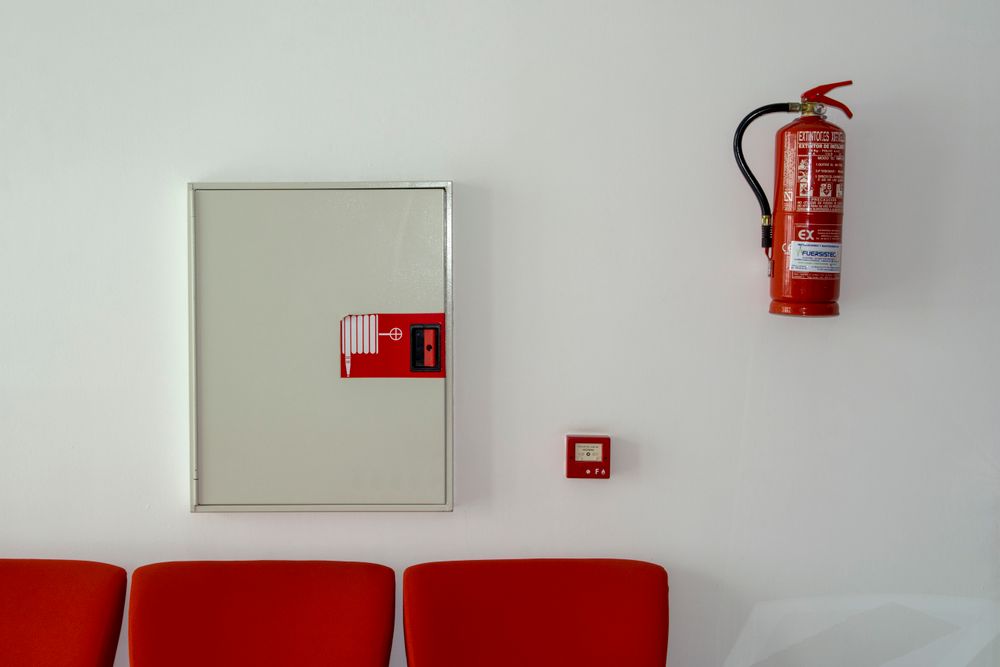
- Making sure fire extinguishers and alarm call points are accessible and unobstructed.
- Watching for fire hazards — overloaded sockets, build-ups of waste, blocked exits — and reporting them.
- Helping to promote good housekeeping and fire awareness among colleagues.
During a fire or drill
When the alarm sounds, the fire warden's responsibilities become immediate and clear:
- Help raise the alarm and ensure people start to evacuate without delay.
- Direct colleagues and visitors to the nearest safe exit, staying calm and clear.
- Sweep their designated area to check it is empty, including toilets and quiet rooms, if safe to do so.
- Assist anyone who needs extra help to evacuate, following the agreed plan.
- Close doors behind them where appropriate to slow the spread of fire.
- Report to the assembly point and account for people.
- Liaise with the fire service when they arrive.
Crucially, fire wardens are not firefighters. Tackling a small fire with an extinguisher is only ever an option when it is safe, the escape route is clear, and they have been trained to do so. Personal safety always comes first.
Fire Safety training from €35
Self-paced, HSA-aligned, certificate the same day — €35 per person.
The training a fire warden needs
Good fire warden training builds genuine confidence. It should cover:
- How fire starts and spreads, and the main workplace fire risks.
- The premises' fire safety equipment and how it works.
- Evacuation procedures, roll call and the role of the assembly point.
- Helping people with mobility or other additional needs.
- The safe — and limited — use of fire extinguishers, including the PASS method.
How many wardens you need depends on the size, layout and risk of your premises, and on shift patterns. There should always be enough trained wardens to cover every area whenever people are at work — a point we explore further in our workplace fire safety guide.
What makes a good fire warden
The role suits people who are calm, observant and willing to take responsibility. A good fire warden does not need to be the loudest person in the building, but they do need to be someone colleagues will listen to in a moment of stress. Reliability matters more than seniority — the right person is one who will actually do the daily checks and act decisively when it counts.
It also helps to choose wardens who are usually present in their area. A warden who is frequently off site or away from their patch leaves a gap in cover. For that reason many employers appoint more wardens than the bare minimum, so there is always someone trained on hand for every shift and every part of the premises.
In an emergency, people instinctively look for someone who knows what to do. A well-trained fire warden is that person.
Keeping wardens ready
Appointing fire wardens is the start, not the finish. Their knowledge needs to stay fresh, and the best way to achieve that is through regular fire drills and refresher training. Drills let wardens practise their sweep, their communication and their roll call in realistic conditions, and they reveal weaknesses in the plan while it is safe to fix them. A warden who has rehearsed the routine several times will act far more confidently than one who has only read about it.
Key takeaways
- Fire wardens turn the fire safety plan into action under the 2005 Act and Fire Services Acts.
- Day to day, they keep escape routes clear and watch for hazards.
- In an emergency, they help raise the alarm, direct people and sweep their area.
- They are not firefighters — personal safety comes first.
- Proper training and enough wardens for every shift and area are essential.
A capable fire warden is one of the best fire safety investments a workplace can make. With the right training and clear responsibilities, they help prevent fires from starting and ensure that, if one ever does, everyone gets home safely.